
Kanazawa IV · An interlude in Tokyo
5 min read Feb 27, 2026
This is the last part of a four-part series about our family trip to Kanazawa.
Kanazawa
After enjoying everything that Kanazawa presented us, we hopped back on the Shinkansen to Tokyo.
 Leica CL · 56mm · f/1.8 · 1/640 ·
ISO 100
Leica CL · 56mm · f/1.8 · 1/640 ·
ISO 100
I had the fortune to photograph Tokyo Tower from multiple vantage points at different times of day. I also got to see Sky Tree both upclose and from far away.
 Leica CL · 18mm · f/5.6 · 1/50 ·
ISO 1250
Leica CL · 18mm · f/5.6 · 1/50 ·
ISO 1250
 Leica CL · 56mm · f/1.4 · 1/160 ·
ISO 4000
Leica CL · 56mm · f/1.4 · 1/160 ·
ISO 4000
 Leica CL · 18mm · f/4.5 · 1/500 ·
ISO 100
Leica CL · 18mm · f/4.5 · 1/500 ·
ISO 100
We had a sublime meal at an Okinawan restaurant, increasing our desire to explore that part of Japan.
 Leica CL · 18mm · f/2.8 · 1/50 ·
ISO 1250
Leica CL · 18mm · f/2.8 · 1/50 ·
ISO 1250
Though we had just a few days, much of which was spent with family and friends, we still had the chance to see a bit of Tokyo that we hadn’t before.
 Leica CL · 18mm · f/2.8 · 1/640 ·
ISO 100
Leica CL · 18mm · f/2.8 · 1/640 ·
ISO 100
Sensō-ji
This temple is one of the most famous in all of Japan. It, like many others, starts with a story — this one about a mythical statue of Kannon.
Sensō-ji was established in the seventh century, with significant expansion over a millennium. In the 16th century, Tokugawa Ieyasu designated it as the official temple of the shogunate.
 Leica CL · 56mm · f/1.6 · 1/2500
· ISO 100
Leica CL · 56mm · f/1.6 · 1/2500
· ISO 100
Unfortunately, like most everything else in Tokyo, it was destroyed during the great Tokyo air raid of 1945.
I had always avoided this temple and the surrounding Asakusa since it’s always teeming with tourists. However, I’m happy that we came this time. Although I was unable to escape the crowd, I could feel a deep sense of holiness.
 Leica CL · 56mm · f/1.4 · 1/1000
· ISO 100
Leica CL · 56mm · f/1.4 · 1/1000
· ISO 100
Standing amid those crowds, I found myself thinking about what this temple represents. It’s a modern reconstruction. The halls are made with concrete and steel, the roof from titanium.
Everything old in Tokyo is a recreation, built from memory and photographs.
 Leica CL · 56mm · f/1.6 · 1/2000
· ISO 100
Leica CL · 56mm · f/1.6 · 1/2000
· ISO 100
Kanazawa’s temples, by contrast, are the originals. The Maeda clan’s centuries-old decision to invest in culture rather than military might meant there was nothing worth bombing. An act of strategic humility became, centuries later, an act of preservation. Walking the grounds of Sensō-ji, beautiful as they are, I felt the weight of that difference.
teamLab Planets
Hidden within a warehouse on reclaimed land in Tokyo Bay sits teamLab Planets. I first heard of teamLab a decade ago when they had a small installation in Menlo Park, California. I was impressed with the intimate scale and expressive combination of art and technology. What I didn’t know was that each of the pieces there was a prototype for a far grander vision.
 Leica CL · 18mm · f/2.8 · 1/15 ·
ISO 12500
Leica CL · 18mm · f/2.8 · 1/15 ·
ISO 12500
It is one of the most popular attractions in all of Japan, and after visiting, I can understand why. This experience is simply without comparison. There are some other “immersive” experiences I’ve had in museums. Those often are not much more than images projected upon walls.
 Leica CL · 18mm · f/2.8 · 1/50 ·
ISO 400
Leica CL · 18mm · f/2.8 · 1/50 ·
ISO 400
Planets is a multisensory experience that plays with all of our senses — water beneath our feet, scent in the air, digital koi swimming past our ankles. We slowly walked through an endless array of lights as if floating in space.
 Leica CL · 18mm · f/2.8 · 1/50 ·
ISO 1600
Leica CL · 18mm · f/2.8 · 1/50 ·
ISO 1600
It made us all question what art can be. For the children, it blurred the lines between museum and playground. For me, it was a reminder of how central perception and participation are to the art experience. (Read more in Family adventures in Tokyo.)
 Leica CL · 18mm · f/2.8 · 1/40 ·
ISO 12500
Leica CL · 18mm · f/2.8 · 1/40 ·
ISO 12500
If Kanazawa shows where Japanese culture has been, teamLab Planets hints at where it might go.
 Leica CL · 18mm · f/2.8 · 1/25 ·
ISO 800
Leica CL · 18mm · f/2.8 · 1/25 ·
ISO 800
Full circle
Kanazawa gave us something I didn’t know I was looking for — not just a window into Japan’s past, but proof that the past and future aren’t opposites. The same cultural DNA that produced Kenroku-en’s stone lanterns also produced the 21st Century Museum of Contemporary Art. The Maeda clan’s bet on culture over military might still pays dividends, five centuries later.
teamLab Planets, with its immersive digital gardens, felt like a glimpse of where that cultural ambition might lead next. The installation’s blend of technology and natural imagery — water, flowers, koi — draws from the same aesthetic wellspring as Kanazawa’s wonders.
Tokyo offers the future; Kanazawa shows you where it comes from.
As we boarded our flight home, I thought again about the Tsuzumi-mon gate that welcomed us to Kanazawa — that modern reinterpretation of an ancient form. It turned out to be the perfect symbol for what we experienced. Not a city frozen in time, but a city that carries its past forward, letting old and new exist in conversation.
Camera setup
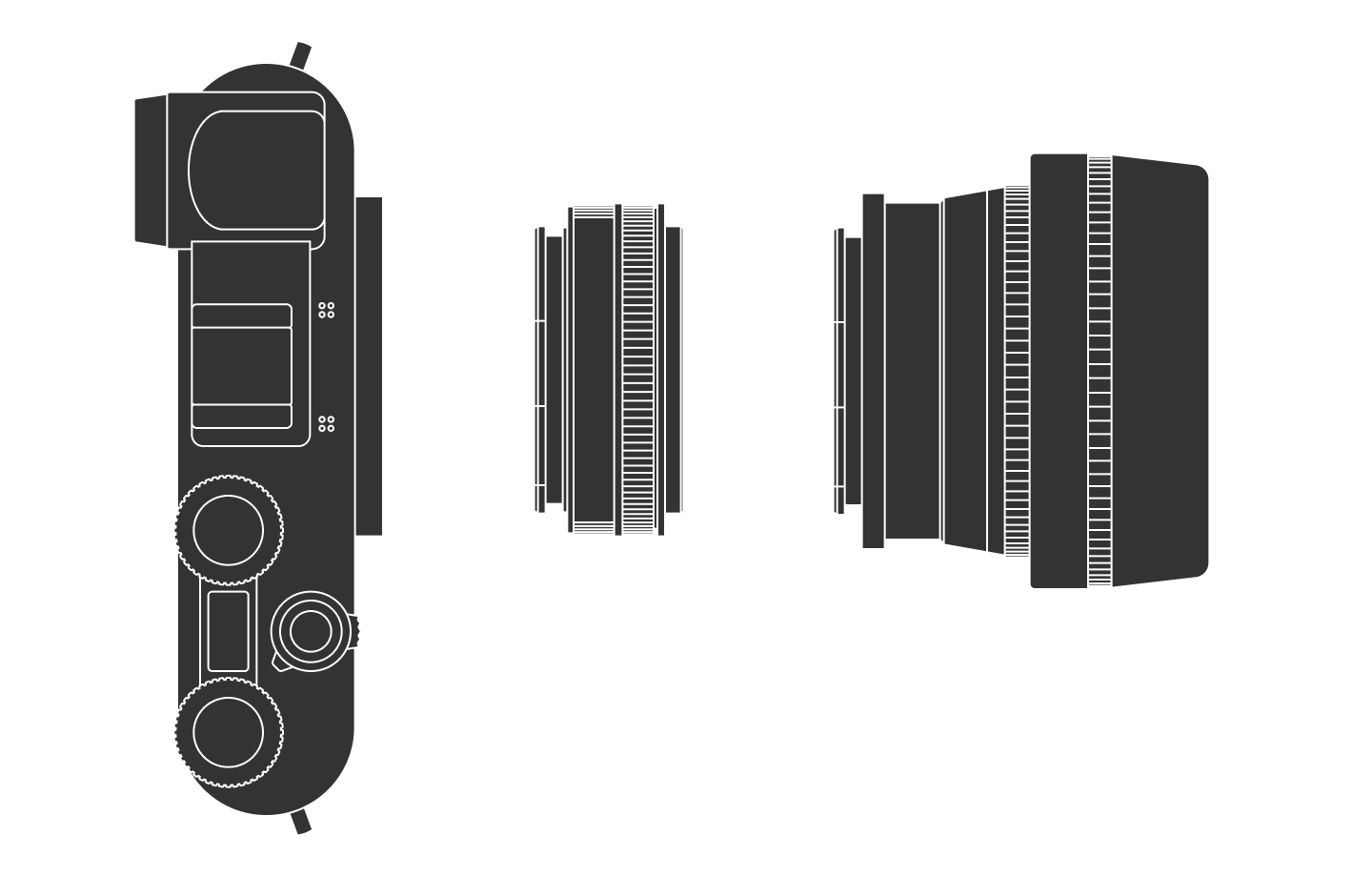
Thanks to Q for reading drafts of this.