
Love Hultén Works
5 min read May 16, 2026
In this ongoing series, I share some of my favorite books from my personal library.
Books in my library
I first came across Love Hultén’s work more than a decade ago, and it stopped me in my tracks. I spent an afternoon poring over photos of wooden arcade cabinets and game consoles.
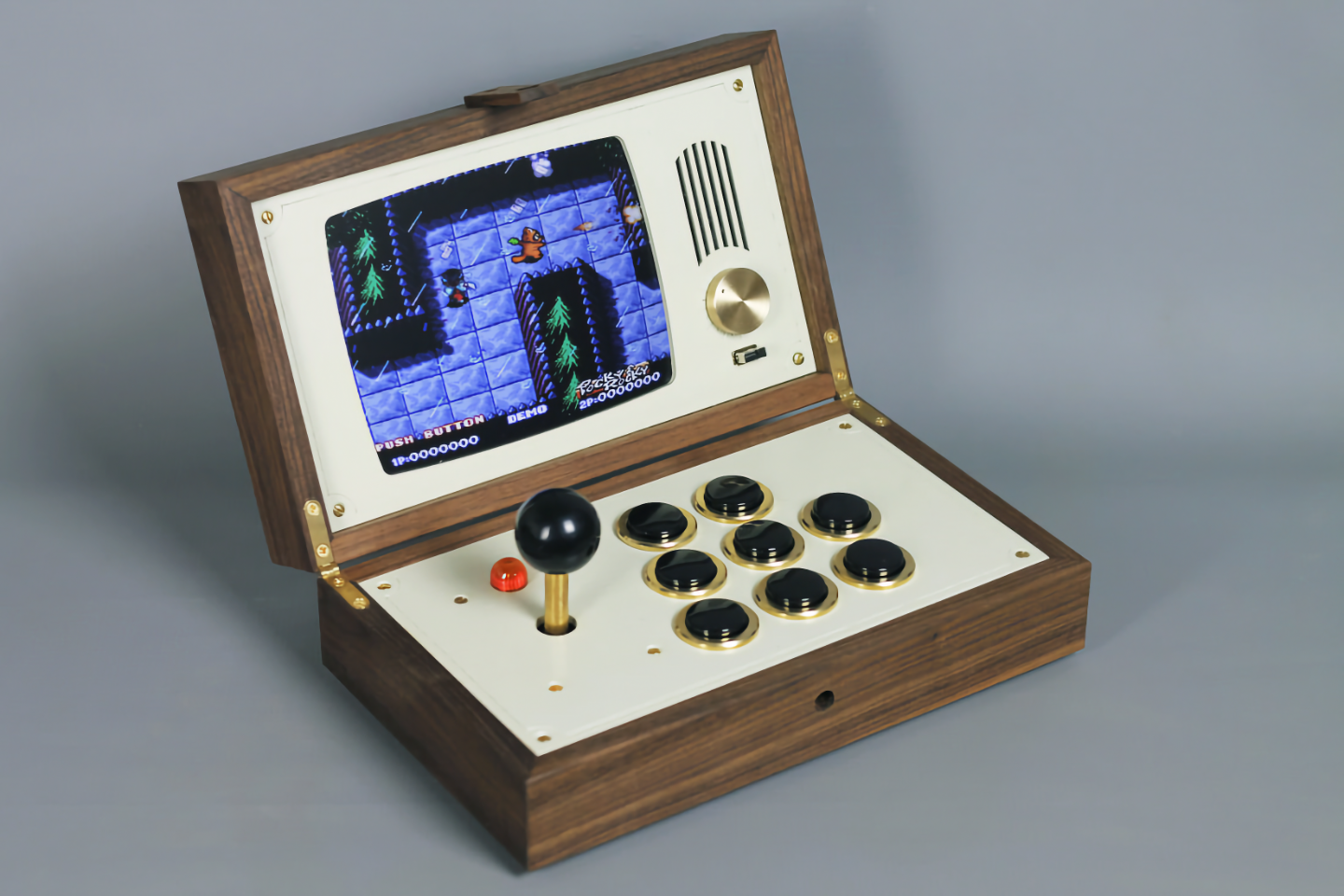
As time went on, I kept up with his work and watched as he cataloged each piece. It felt less like watching someone expand a portfolio and more like witnessing the discovery of an alternate world — full of weird, wonderful works at the boundary of design, music, and gaming.
Who is Love Hultén?
Just browse his site and you’ll see that it transcends those categories entirely. He has mastered electronics, woodworking, and the use of color, materials, and finish, but I’d be hard-pressed to call him a woodworker, audio visualist, visual artist, or musician. Love Hultén is one of those people who escapes labels. That’s part of what makes his work so compelling.
As a side note, do listen to his recent album, Demonstration Disc — I had it on while looking through these books and writing this post.
Love Hultén describes his work as “custom alientech” or “craftporn.” Almost all of them are one-of-one pieces. If you’re curious about where and how he works, Wired took a tour of his Gothenburg studio.
What makes these objects so interesting is that, although they feel like they’re from another world, they’re almost always based on existing products, metaphors, or visuals — remixes between things like synths and novel ways of interacting with them.
The books
Love Hultén released two books, and I was lucky enough to get a copy of each.
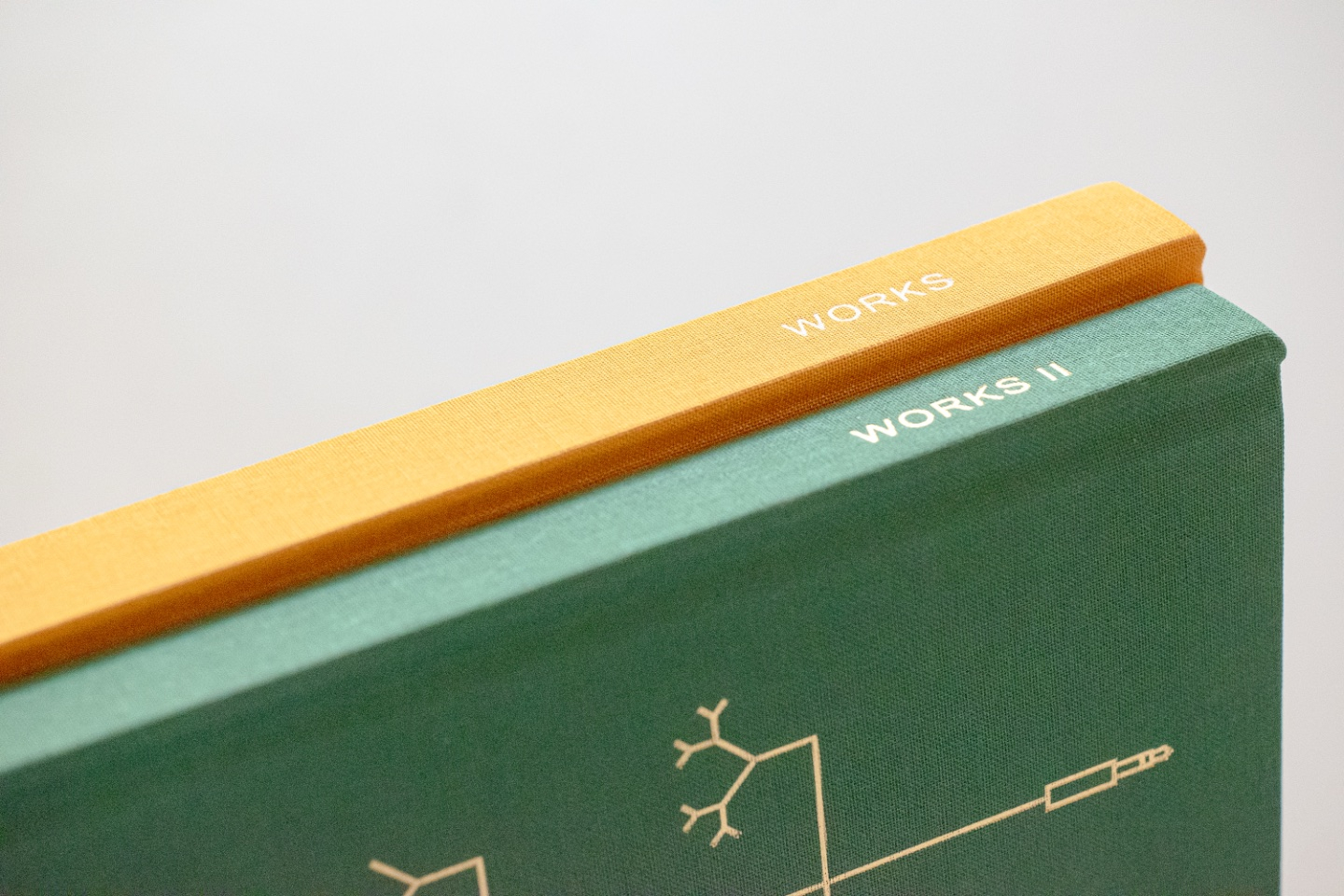
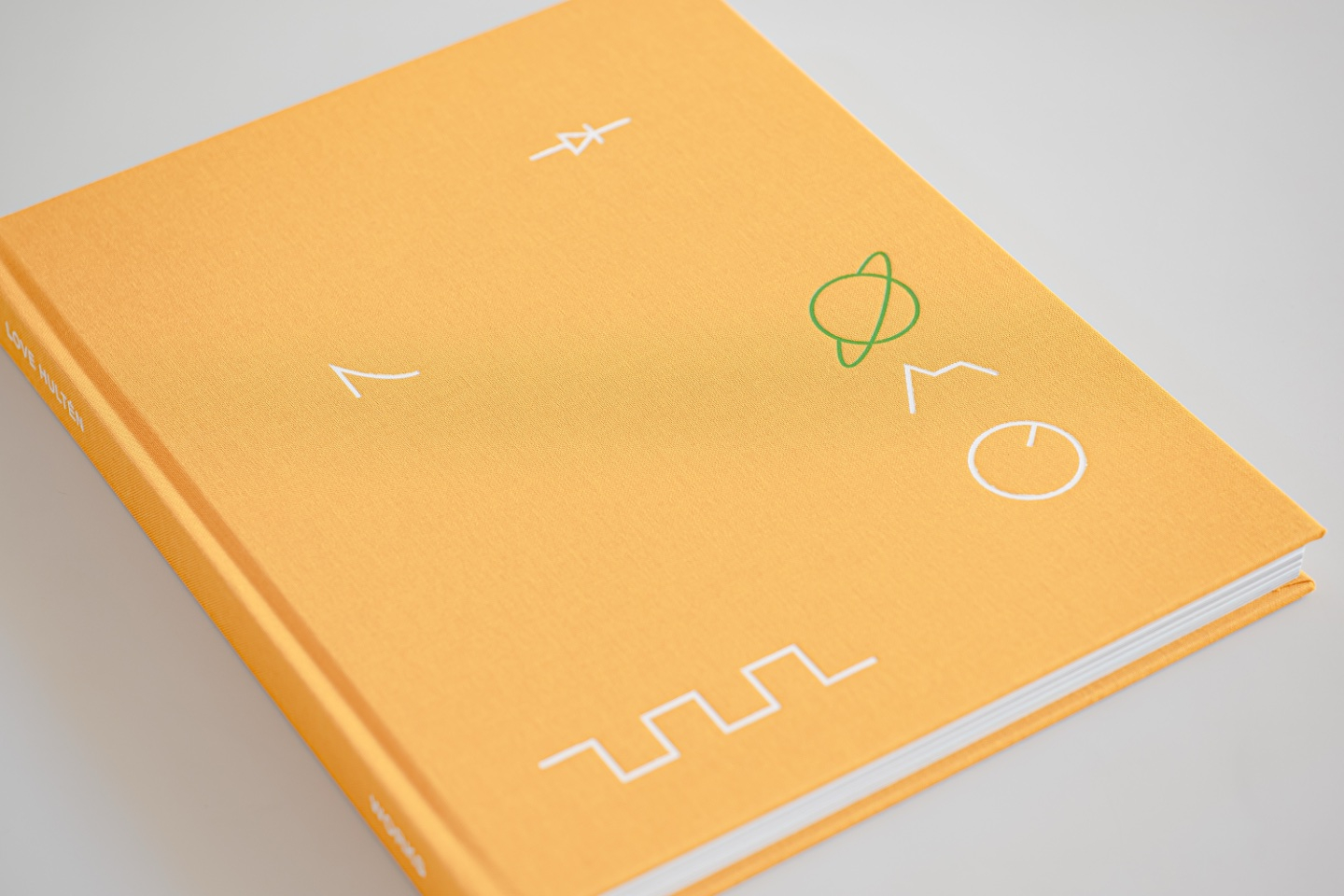
Works is the first — a cloth-bound yellow volume, about the size of most design and art books on my shelf. The cover has embossed and screen-printed illustrations, with text on the spine in white.
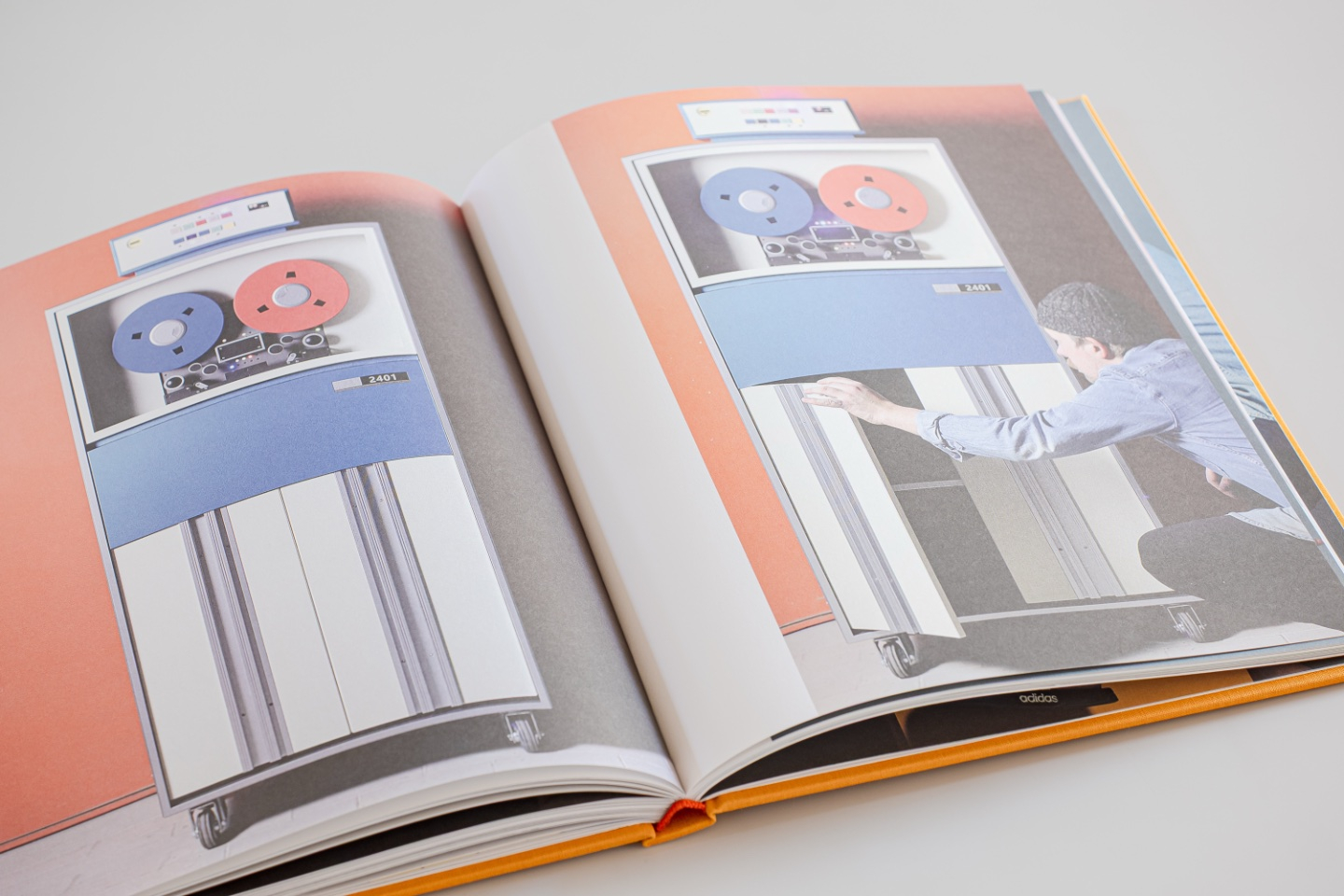
Inside, the pages are heavy with a matte finish. The photographs don’t have the contrast of a glossy print, but they make for a satisfying browse.
Works II picks up where the first left off, in a dark green cloth-bound volume of nearly the same dimensions, with the embossed and screen-printed visuals now in gold.
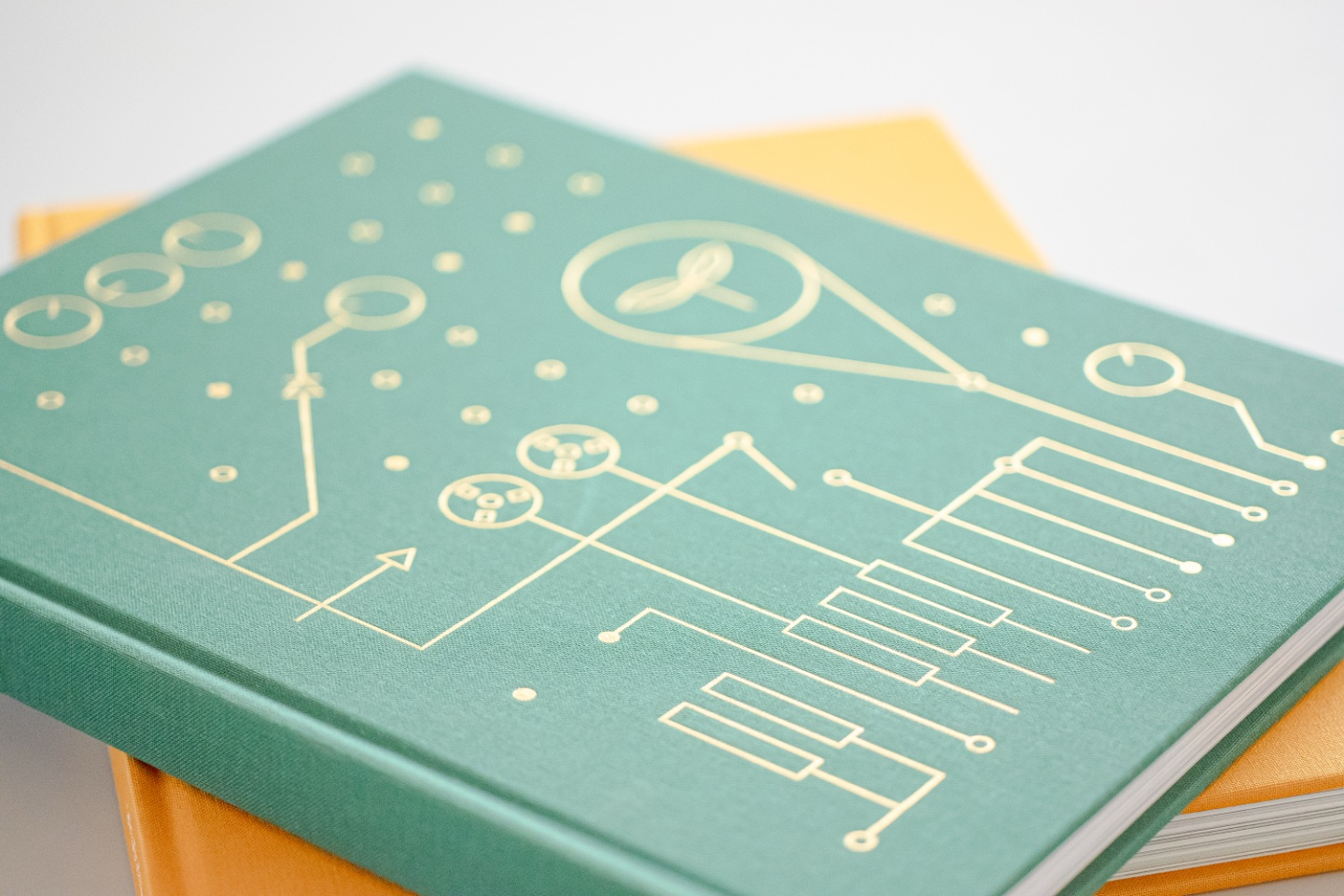
These books don’t offer much more than what Love Hultén’s website doesn’t — they’re photograph after photograph of his works, and actually more limited since they lack the videos that show how many of the pieces actually function.
But what makes them worth having is that they celebrate something that could easily be overlooked: his photography. The way he lights his subjects, uses contrasting backgrounds, and maintains a visual consistency while keeping each image distinct — it suggests that photography is as much a part of his practice as building the objects themselves.
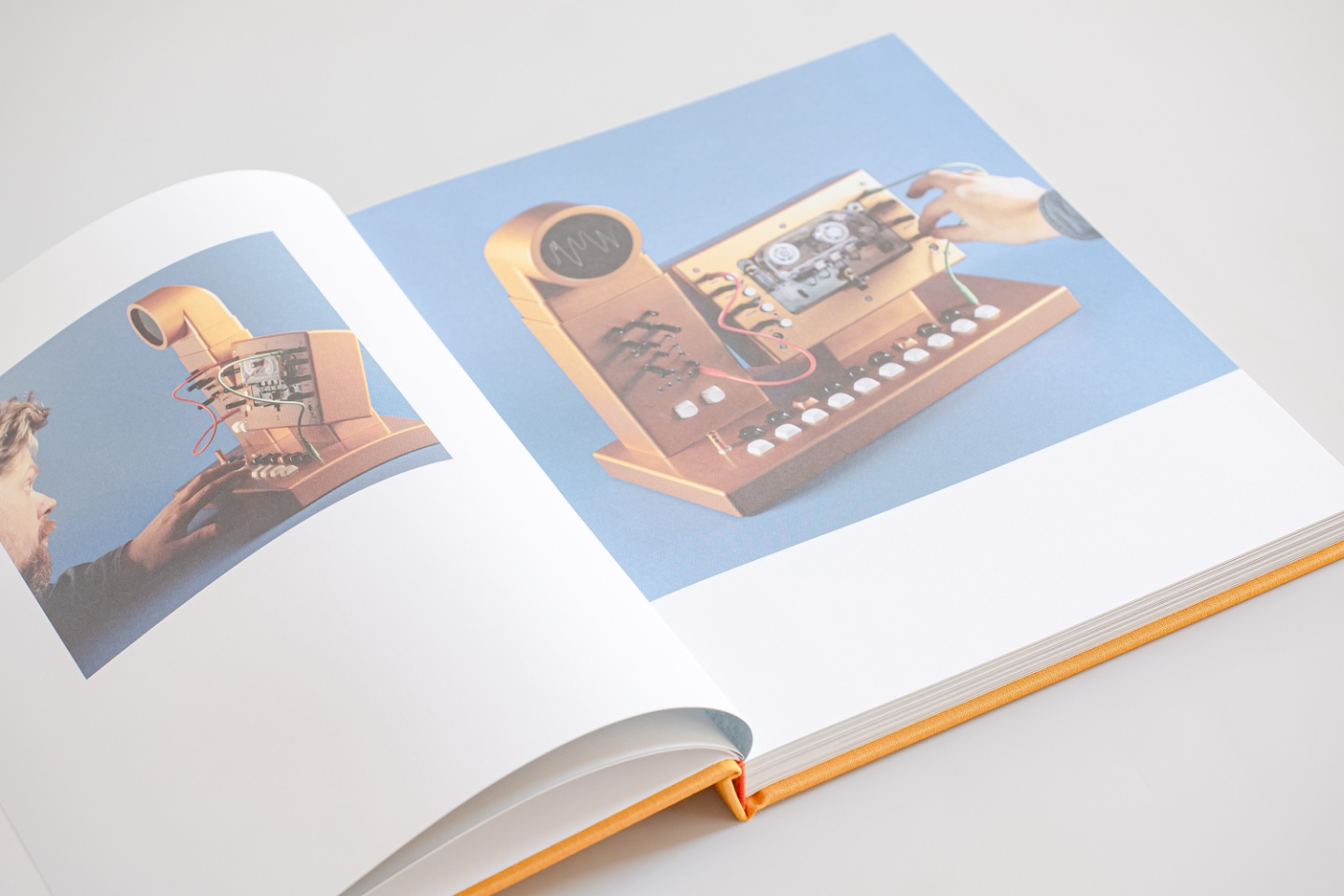
There’s no better way to enjoy a photograph than holding it in your hands. A calibrated screen can technically produce a better image, but the printed page offers a more intuitive and satisfying experience.
These books live on my shelf, and remind me how Hultén keeps challenging himself — each work brings something new, whether in technique, technology, or scale.
The world of Love Hultén
Spend time with his work and a design language starts to emerge. The first thing is material honesty. Wood is central, and even when painted or stained, the grain shows through.
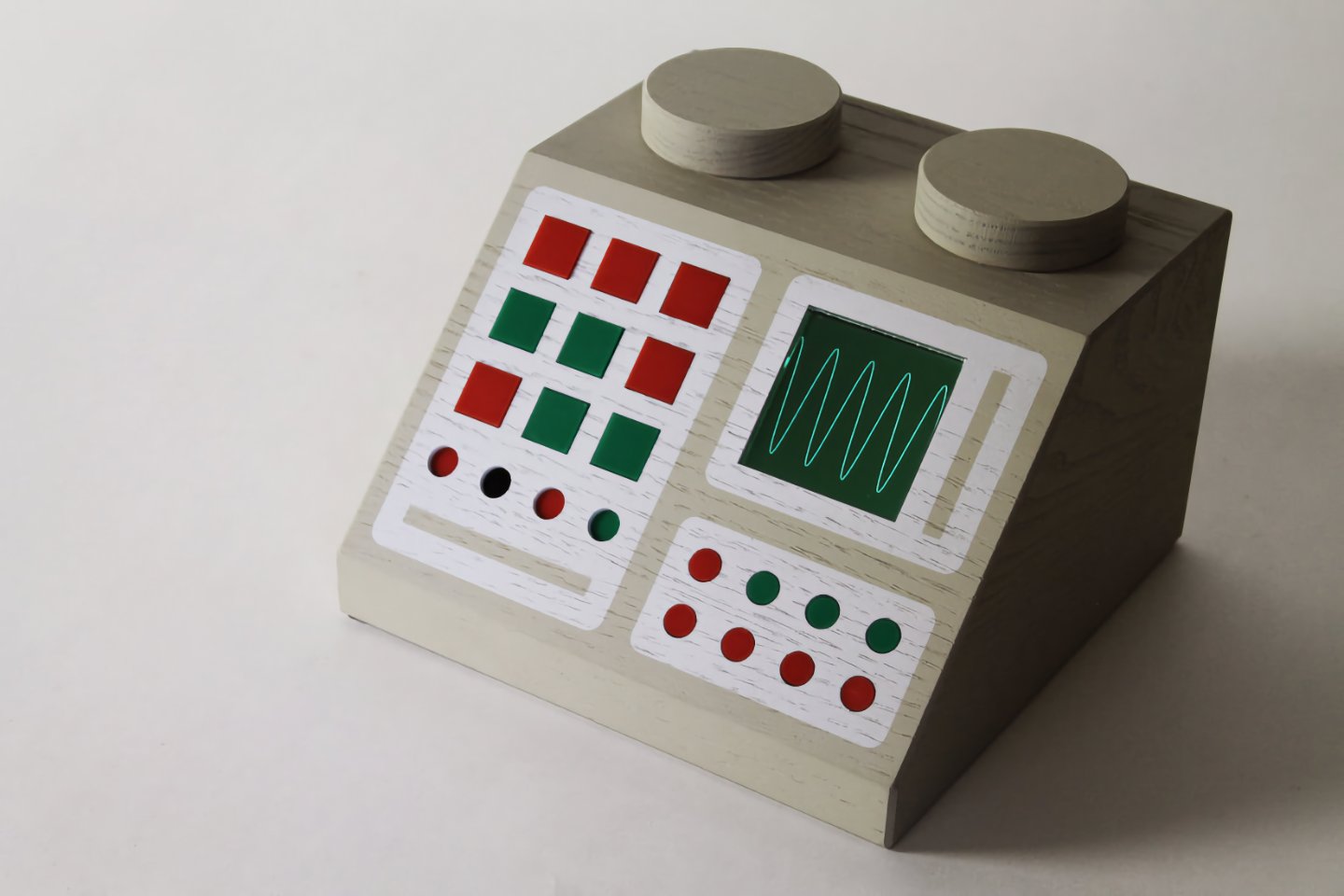
The objects are also deeply aesthetic — they could work as static sculptures, but they seem to beg to be used, the way an old iPod makes you want to spin the click wheel, or a keyboard draws a kid’s hands in.
Then there’s the whimsy: a dome with a ferrofluid visualizer, a dancing mechanical crab, a plant wired as a resistor in a synthesizer circuit. Hultén has cited Dieter Rams as a major influence, and the “less is more” thinking shows — each object communicates quickly where your hands should go and where your eyes should rest. But he’s also drawn to fictional worlds, like those built by illustrators such as Jan Lööf, and that sense of fantasy comes through too.
Many of his projects sit on the border of toy and tool — things creative people could use to play and make, like what Teenage Engineering does. But some are professional instruments. Miike Snow used the MOR-9 live station on tour.
The more time I spend with these books, the more I notice the depth of the world Hultén has been building.
Works III?
There was to be another book — Apparatrum — but it wasn’t successfully funded on crowd-funding platform Vol. Some of what went into it, including illustrations for the slip case, appear to have made it into Works II. Given Hultén’s pace, a Works III seems possible, and if it drops, I’ll be first in line.
If you can’t track down these books, put an hour on your calendar, close your tabs, and spend it on his website. You can thank me later.
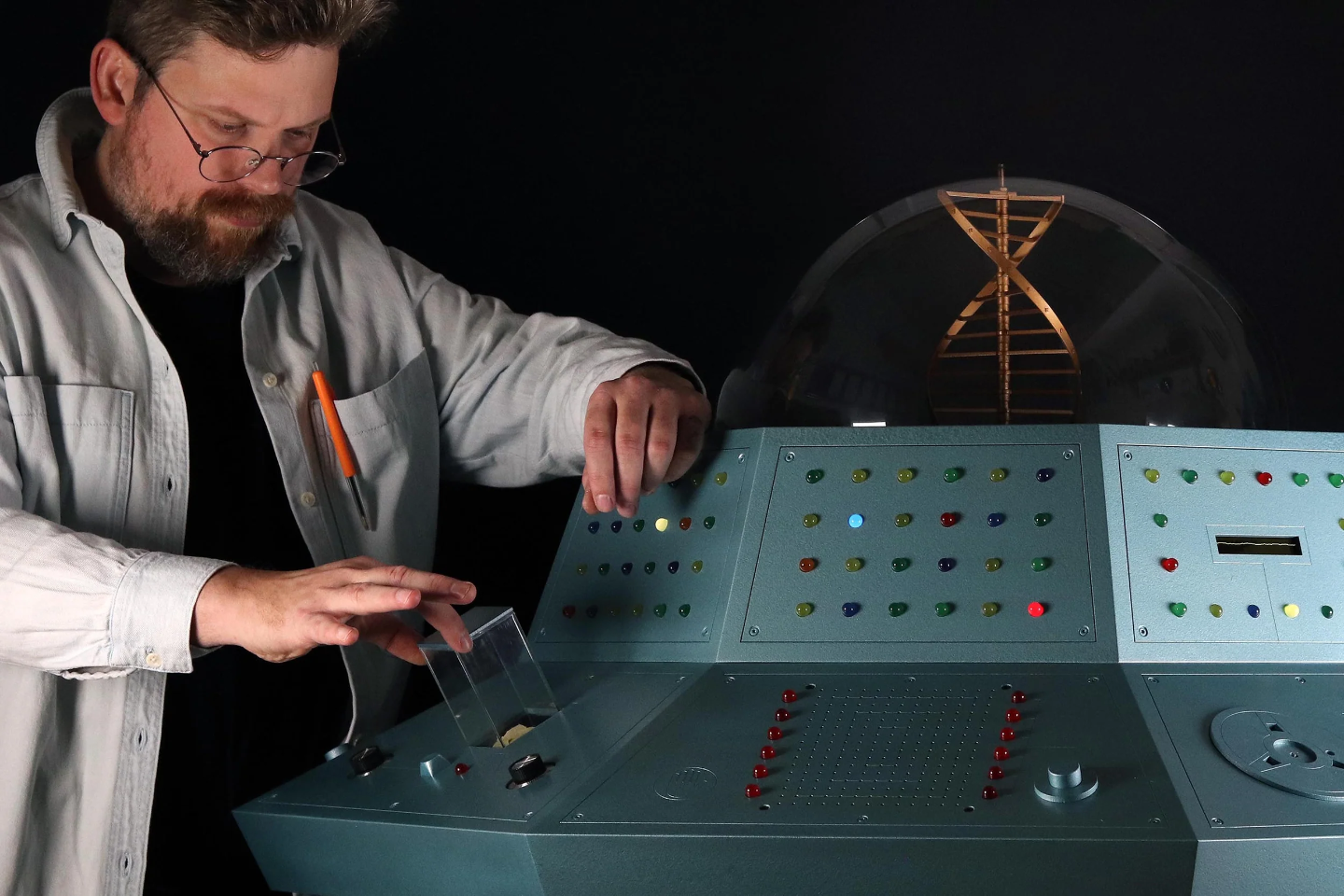
COSMOS MELANCOLIA
His work is inspirational, both as aesthetic objects and as pieces of a world that keeps growing. His attitude toward that work comes through in an interview with Pitchfork:
“I never know what’s coming, that’s the beauty of my work. I’ve been doing this for over 12 years now, and I’m not bored yet. Combining woodwork and electronics is like driving an endless road with exciting exits everywhere. If I’m ever sick and tired in a current field or feel stuck in repetition, I can always take another exit.”
Thanks to Q for reading drafts of this. Photos of Love Hultén’s work are courtesy of the artist.